From the Bishopric Estates of 1622 to your table today.
Broom Mill Farm stands as a living monument to over 400 years of Durham history. While our roots stretch back to the Bishopric Estates of the 17th century, the farm gained global significance during the 1820s when George Stephenson surveyed the route for the Stockton and Darlington Railway.
| Era | Key Milestone | Significance |
|---|---|---|
| 1086 | Domesday Book | First records of milling in the valley. |
| 1622 | Durham Bishopric | Broom Mill officially recorded as a private estate. |
| 1823 | Industrial Age | Stephenson builds the world's first iron railway bridge nearby. |
| Present | Community Hub | Continuing 400 years of serving the local people. |
Broom Mill entered the annals of history on July 8, 1622, as part of the Durham Bishopric Estates. Controlled by the Ecclesiastical Commissioners, it served the wild landscape of the Gaunless Valley.
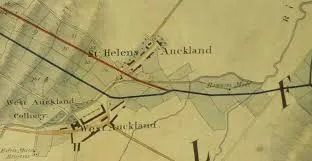
History was made on our doorstep when George Stephenson designed the Gaunless Bridge. It was the first iron railway bridge in the world, and its original stone abutments still stand on our farm boundary today.
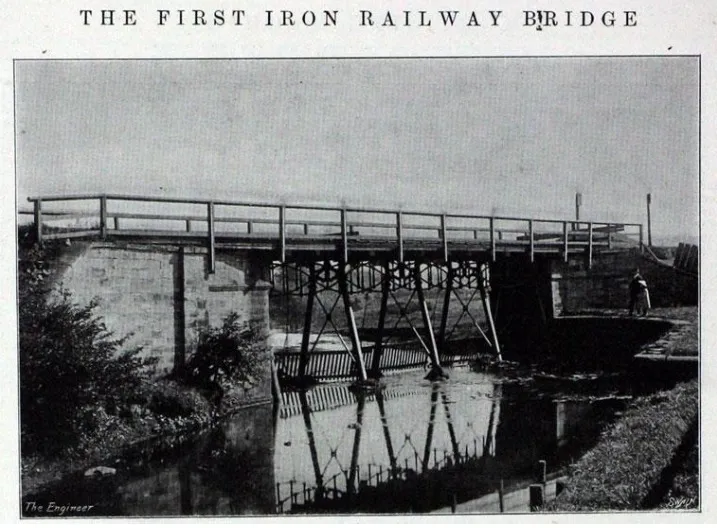
Follow our marked footpath East to see the 1825 abutments. Explore the very ground where the railway age began.
OPEN TRAIL MAP