Broom Mill Farm Heritage
Gaunless Valley, County Durham
From the Bishopric Estates of 1622 to your table today, discover 400 years of West Auckland history.
Home of the world’s first iron railway bridge.
View the Railway Trail Map
Heritage at a Glance
| Era | Key Milestone | Historical Significance |
|---|---|---|
| 1086 | Domesday Book | First records of water milling in the valley. |
| 1622 | Durham Bishopric | Broom Mill officially recorded as an isolated estate. |
| 1823 | Industrial Pivot | Stephenson builds the world's first iron railway bridge nearby. |
| Present | The Mill Kitchen | Continuing 400 years of serving the local community. |
While our specific name appeared later, the tradition of milling at Broom Mill connects back to the 5,000+ watermills recorded in the Domesday Book. This land has been feeding the people of England for nearly a millennium.
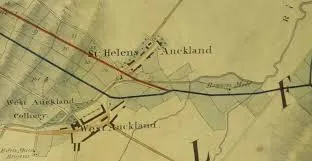
Broom Mill officially entered the annals of history in 1622 as part of the Durham Bishopric Estates. Controlled by the Ecclesiastical Commissioners, it was an "isolated mill" serving a wild Gaunless Valley landscape.
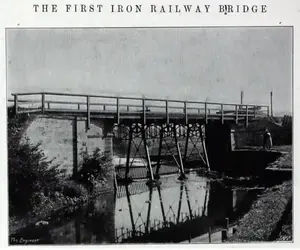
History was made on our doorstep when George Stephenson designed the Gaunless Bridge for the Stockton and Darlington Railway. It was the first iron railway bridge in the world to use lenticular trusses. Its legacy remains a vital part of Broom Mill's industrial heritage.
During the 19th century, Broom Mill was a marvel of the industrial age. It featured a massive 16-foot "undershot" water wheel and a 370-yard artificial leet that diverted the river to power our heavy grinding stones.
Tales from the Tithe Map
Our 1840 records reveal the colorful names given to the fields that surround you today:
- The Mill Leazes – Where the livestock grazed by the water.
- Pigeon Cote Field – Suggesting ancient dovecotes on the farm.
- Engine Piece – Likely named during the railway construction era.
The Howe Family at Broom Mill (1840–1968)
Transcribed from the historical research of D.S. Howe, Sunderland (1992).
Meet the Ancestors
b. 1832
Skilled Joiner in West Auckland.
1849–1939
Inn-keeper at Brusselton.
b. 1836
Engine Man at the Mill.
1912–1978
A beloved family figure.
The Legend of the "Vanishing Man"
"According to family accounts passed down by Ruby Howe, the father of John Howe was a 'well-spoken, well-to-do man.' One day, while leaning on the farm fence watching the local hunt pass, he appeared to recognize someone. He turned, dashed into the house, out the back door, and vanished forever. No trace of him was ever found."
The Howe Family Tree Branches
Founding Generations
- Ann (1763–1840s) — Earliest ancestor at Elton.
- Margaret Gibbon (1793–1880)
- John Howe (b. 1832) m. Elizabeth
- George Howe (1849–1939) m. Margaret Ann Hopps
The Broom Mill Era
- Thomas Henry Howe (1873–1916) m. Isabella
- William Howe m. Bella Wilson (1919) — *The last to farm Broom Mill.*
- Madge Howe m. Frank Nedley
- Ruby Howe (b. 1915) m. Harold Rose
Migration & Modern Lines
- Sunderland Branch: Douglas, Ian, and Charles Howe.
- Hartlepool/South Shields: Branches moved in the 1920s.
- Modern Descendants: Dale, Sarah, Derek, Stuart, Amy, and Joanne.
Walk the Iron Bridge Trail
Follow our marked footpath East to see the 1825 abutments. Imagine the Howe family watching the world's first trains pass by!
OPEN TRAIL MAP